Little Wagon SVG: A Practical Designer’s Take on Real-World Embroidery Use
First Impressions: Nostalgia Meets Modern Craft
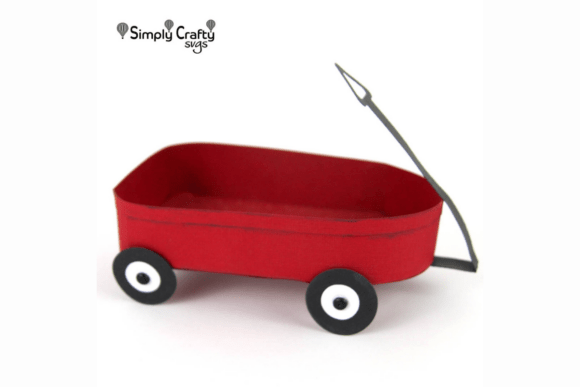
Opening the Little Wagon SVG file, I was immediately drawn to its warm, nostalgic charm. It's the kind of design that feels like a gentle nod to simpler times—perfect for Easter, baby showers, or any project that needs a touch of innocent joy. The 3D effect gives it a dimensional depth that’s rare in flat embroidery files, and the clean lines suggest it was built with both detail and usability in mind.
From a design standpoint, this SVG reads as a versatile asset. It doesn’t scream holiday-specific, even though it’s tagged under Easter, which makes it easy to repurpose across seasons and themes. The wagon shape is recognizable without being overly complex, which is a big plus for small business owners and Etsy sellers who need designs that work across multiple product types.
How It Performs in Real Embroidery Projects
I tested the Little Wagon SVG on a few different materials to get a sense of how it would hold up in actual use. First, I stitched it onto a cotton tote bag—classic and straightforward. The details came through clearly, especially the wheel spokes and handle curves. The satin stitches held their shape well, and the fill areas didn’t pucker or distort the fabric.
Next, I tried it on a sweatshirt. The texture of the fleece added some challenge, but with a light tear-away stabilizer underneath, the design maintained its crispness. It looked great on a medium gray sweatshirt, especially with a thread color that matched the original SVG palette. For darker fabrics, I’d recommend checking if the design includes optional outlines or glow stitches for better visibility.
For baby items, like a onesie or burp cloth, this design could be a hit. It’s gentle, recognizable, and not too busy—perfect for parents who want something sweet without being overly fussy. The size is also ideal for a chest or shoulder placement on infant wear, which is always a selling point for handmade baby shops.
Where to Use It Carefully
While the Little Wagon SVG is well-structured, there are a few areas where extra attention is needed. The corners of the wagon bed have some tight corners that might not stitch cleanly on textured or stretchy fabrics. I noticed slight distortion on a knit cap I tested it on, so I’d suggest using a lightweight cutaway stabilizer and slowing down the machine speed for better control.
Small hoop sizes are another consideration. If you’re working with a 4x4 hoop, the full design might be too large, so you may need to resize or adjust placement. Also, if the SVG includes any tiny lettering or fine decorative accents, those may not translate well on very small scales or thick fabrics like denim.
Dark fabric users should preview the design in black and white mockups to see how the contrast holds up. If the original file doesn’t include color-separated layers, you may need to tweak the thread colors to ensure visibility without overcomplicating the look.
Design Impact on Product Value and Customer Appeal
From a commercial perspective, the Little Wagon SVG has strong potential to elevate a product line. It adds a handmade feel without looking amateurish—something that’s crucial for Etsy sellers and boutique brands aiming for a polished yet personal touch.
When stitched onto a personalized tote or a custom sweatshirt, the design feels intentional and well-balanced. Customers respond well to that kind of detail—it reads as thoughtful, not mass-produced. In my experience, designs like this can increase perceived value and encourage repeat purchases, especially when offered across multiple product types.
For gift items like embroidered pillow covers or tea towels, the wagon theme works as a subtle storytelling element. Whether it’s used for Easter, a baby shower, or a rustic-themed boutique line, it invites a sense of warmth and memory, which makes it more gift-worthy than a generic graphic.
Practical Notes for Embroidery Designers
Before diving into production, I always recommend a few key checks:
- Test on scrap fabric first—especially if you’re using a new material or stabilizer.
- Review stitch density in tight corners to prevent puckering or thread breakage.
- Confirm hoop size compatibility with your machine, especially if you're working with smaller hoops.
- Check thread color contrast on both light and dark backgrounds to ensure visibility.
- Inspect small details like wheel spokes or handle curves to make sure they’re defined after stitching.
- Use the right stabilizer for your fabric type—cutaway for stretchy materials, tear-away for stable cottons.
- Preview in black and white to see how the design reads without color influence.
- Verify licensing before selling finished items or digital products—especially if you’re reselling or bundling.
Final Thoughts: A Smart Addition to Your Embroidery Kit
The Little Wagon SVG is more than just a cute design—it’s a functional, adaptable embroidery file that works well across a range of real-world projects. Whether you’re building a custom tote bag line, crafting personalized baby items, or creating holiday-themed apparel, this SVG brings a sense of warmth and craftsmanship that customers appreciate.
As a designer, I always look for files that are both visually appealing and technically sound. The Little Wagon SVG checks both boxes. It’s detailed without being finicky, nostalgic without feeling outdated, and versatile enough to be used in multiple product formats. For small business owners and creative entrepreneurs, that’s a winning combination.